An airdrop is when a project distributes tokens to users to reward certain behavior that the project wants to incentivize, including testing the network or protocol. These can be distributed to all existing addresses on a given blockchain network, or targeted (such as to specific key influencers); often, they are used to solve the cold start... See more
For web3 organizations, GTM strategies depend on where an organization fits in the below matrix, according to its organizational structure (centralized vs. decentralized) and economic incentives (no token vs. token)
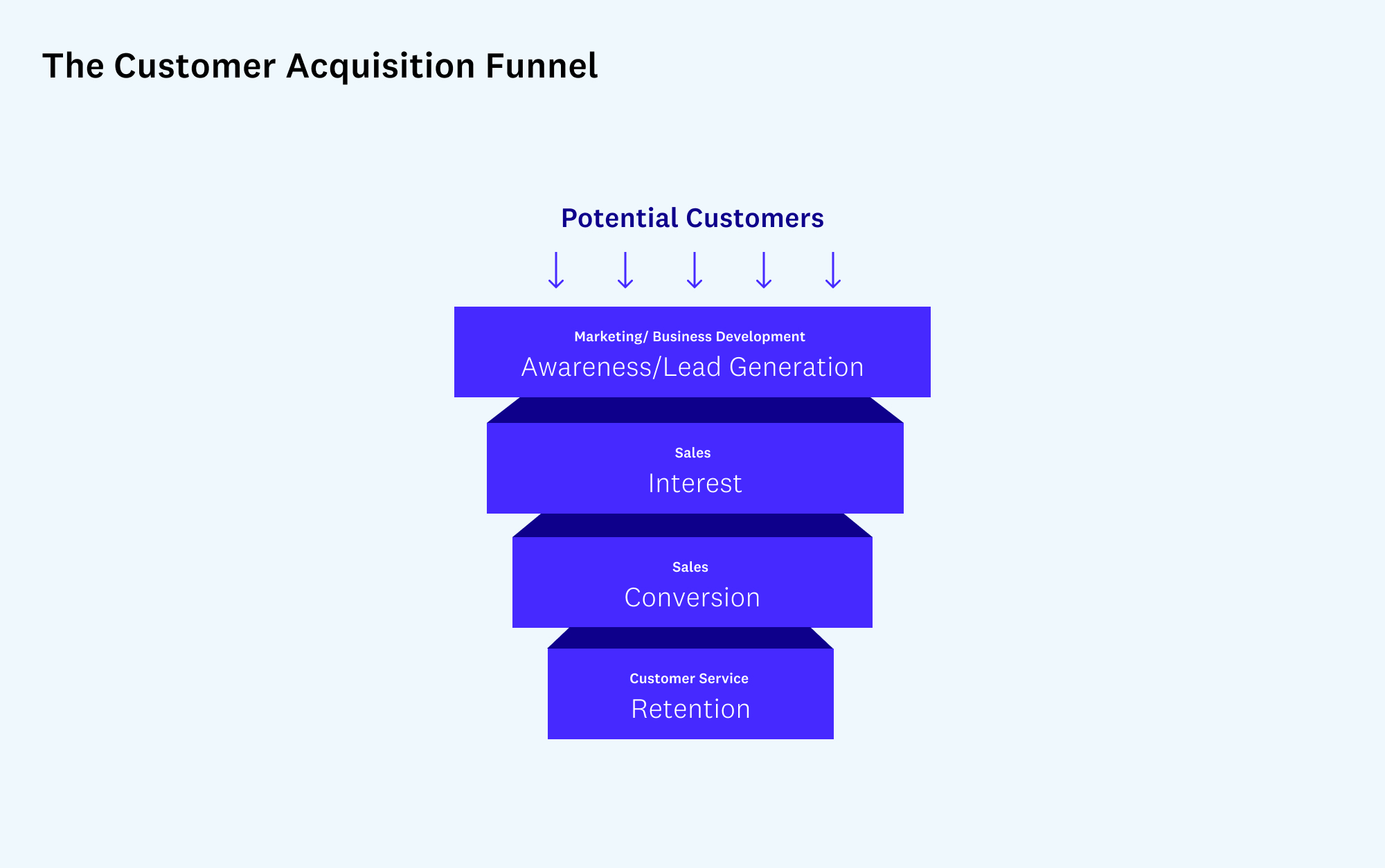
In web2, the primary GTM stakeholder is the customer, typically acquired via sales and marketing efforts. In web3, an organization’s GTM stakeholders include not just their customers/users, but also their developers, investors, and partners. Many web3 companies therefore find community roles to be more critical than sales and marketing roles.
For social, culture, and art DAOs, go-to-market means building a community with a specific purpose — sometimes even starting as a text chat between friends — and growing it organically by finding other people who believe in that same purpose.
With new go-to-market strategies for web3 come new ways of measuring success. For DeFi apps, the canonical success metric is the aforementioned total value locked (TVL). It represents all the assets using a protocol or network for things like trading, staking, and lending.
Web3 changes the whole approach to bootstrapping new networks, since tokens offer an alternative to the traditional approach to the cold-start problem. Rather than spending funds on traditional marketing to entice and acquire potential customers, core developer teams can use tokens to bring in early users, who can then be rewarded for their early... See more
This new model, known as web3, changes the entire idea of GTM for these new kinds of companies. While some traditional customer acquisition frameworks are still relevant, the introduction of tokens and novel organizational structures such as decentralized autonomous organizations (DAOs) requires a variety of go-to-market approaches.
Traditional web2 GTM frameworks are a useful reference, and offer some helpful playbooks — but they are just a few of the many frameworks available for web3 organizations. The key difference to remember is that the goals, growth, and success metrics of web2 and web3 are often not the same. Builders should start with a clear purpose, grow a... See more
What allows for long-term success in web3 is clear purpose, having an engaged and high-quality community, and matching the right organizational governance to that purpose and community.