... See moreMost critically, these roles tend to be self-reinforcing. Organizations using fear-based future narratives often develop risk-averse cultures that further reinforce defensive positioning. Conversely, organizations with aspirational future narratives tend to attract optimistic, innovation-minded talent that strengthens their future-positive culture.
Patrick Tanguay (Sentiers) • 📡 No.338 — Is AI Progress Slowing Down? ⊗ Future Orientation ⊗ the Power of Critical Sensemaking
On Talent Intelligence and Enablement
Aashay Sanghvi • B2B and Enterprise Product Ideas - January 2020
- Most companies are finding it difficult to get ahead of this trend. 87% of the C-Suite say they’re struggling to find talent with AI skills, and 77% say AI is disrupting their business strategy.
- Leaders say AI will replace many functions at their organization, but employees don’t realize how much they’ll be affected. Only 20% of workers think
edX • edX Survey Finds Nearly Half (49%) of CEOs Believe Most or All of Their Role Should be Automated or Replaced by AI
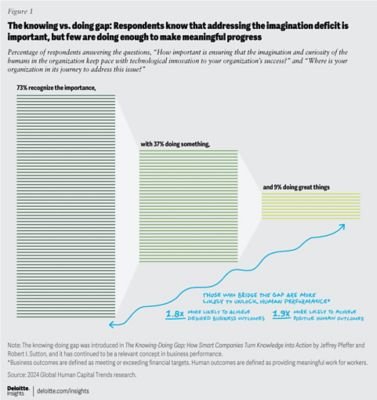
The problem, as we all know, is the gap between what we know and what we do with what we know.
Emma Weber • Turning Learning into Action: A Proven Methodology for Effective Transfer of Learning
- 88% of the workweek is spent communicating , with ~19 hours per week just on writing tasks like emails and reports.
- The average office worker gets ~117 emails per day and sends ~31, showing email overload is still real.
- 55% say they spend too much time crafting/deciphering messages, and 53% feel anxious about misinterpreting them.
- Poor communication