Ecologies of Care: A Conversation - Journal #157
We have five hundred years of documentation showing how capitalism needs to continuously dispossess people, to continuously engage in wars killing millions of people. Capitalism is unsustainable. The contradiction facing women in Rojava is the contradiction of our own lives, where we should not use electricity and the digital technology imposed on... See more
Ecologies of Care: A Conversation - Journal #157
E-flux journal, Silvia Federici.
I was reading a collection of interviews with women from the Ecuadorian Amazon who have fought for a long time against all forms of mining, particularly oil extraction. And a theme running through their testimonies is that soon after the oil company arrives, the community ends: everything is polluted—the crops, the land, the water, and so on. The... See more
Ecologies of Care: A Conversation - Journal #157
E-flux journal, Silvia Federici.
Many women say that they used to feel free in their communities, going out at any time of the day. But with the oil extraction they stay close to their homes, fearing going out at night because acts of violence against them have escalated. So violence is done to the earth, but also to all social relations through dispossession, long-term... See more
Ecologies of Care: A Conversation - Journal #157
E-flux journal, Silvia Federici.
The successful struggles are those in which people create affective relations and forms of cooperation between themselves.
Ecologies of Care: A Conversation - Journal #157
E-flux journal, Silvia Federici.
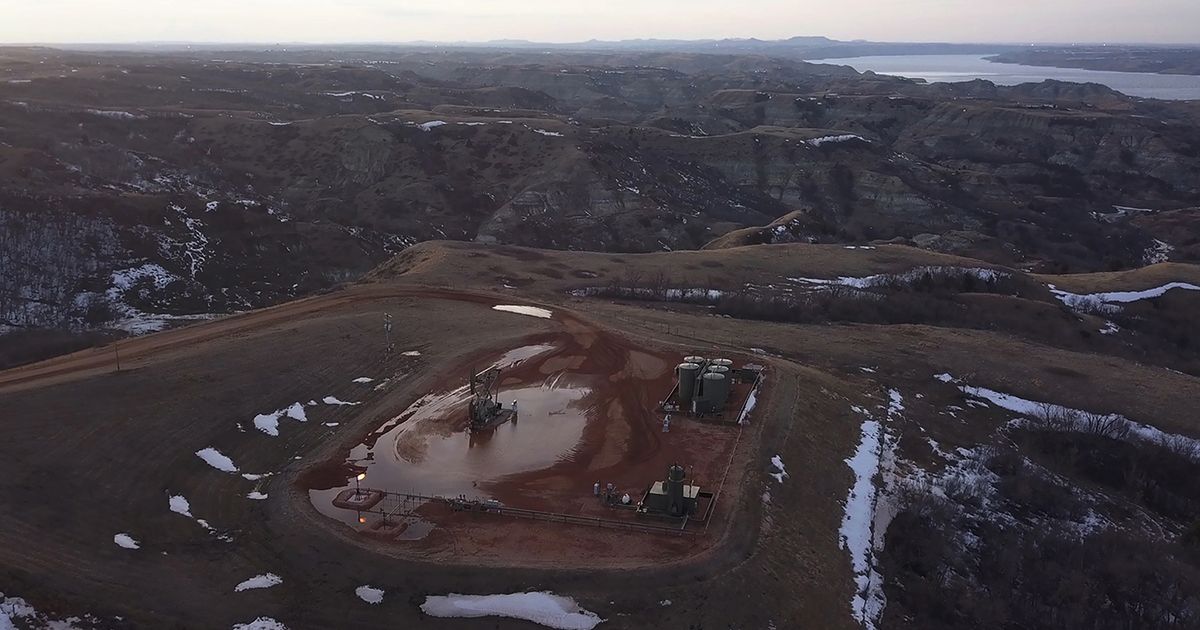
With regard to the topic of violence against women, in North Dakota in particular, the influx of a massive labor force mostly made up of men from out of state brought with it a real threat of women being disappeared or killed.
Ecologies of Care: A Conversation - Journal #157
E-flux journal, Silvia Federici. It’s insane the amount of genocide that follows labour — to the land, to its nature, to its women.
This is a very important part of the question of care, and a lesson from many different communities fighting against forces that are far more powerful and seem invincible. And yet, they resist for a long time and sometimes reverse the situation because they can change their own life in ways that create solid ties between them. Going back to the... See more
Ecologies of Care: A Conversation - Journal #157
E-flux journal, Silvia Federici. The power of blockades. Taking what they need most — time.
SF: Going back to the question of violence, when watching images of this machinery going down many kilometers into the center of the earth I was reminded of the fact that throughout the Middle Ages, and into the sixteenth and seventeenth centuries, many countries or communities considered mining taboo because there was a very animistic conception... See more
Ecologies of Care: A Conversation - Journal #157
E-flux journal, Silvia Federici. Connects to Antarctica essay
The company’s unwillingness to spend money to prevent oil spills only produced further damage. Capitalism has built hierarchies among people, and the colonial relation ensures that many people across the earth are considered disposable. It’s a struggle on multiple levels because it has to do with built-in hierarchies, the built-in coloniality of... See more
Ecologies of Care: A Conversation - Journal #157
E-flux journal, Silvia Federici. The disposability of people. Devastating
Oil extraction is highly symbolic of capitalism, where the production of life is always based on the creation of death. We know this about pesticides in agriculture and we know this about mining. So much depends on this constant production of scarcity, and we live in a kind of somnambulism with this production of death. If we were aware that our... See more