Saved by Josh Kramer and
Disconnected: The Growing Class Divide in American Civic Life
Just 17 percent of Americans report visiting a library at least once or twice a month.
Daniel A. Cox • Disconnected: The Growing Class Divide in American Civic Life
oday’s Americans have fewer civic opportunities—that is, places, institutions, groups, programs, and activities in which they can experience community life.
Daniel A. Cox • Disconnected: The Growing Class Divide in American Civic Life
associational life has apparently become “a high-end good” that most people can’t access.
Daniel A. Cox • Disconnected: The Growing Class Divide in American Civic Life
However, not all Americans report that these places are hubs for community interaction. This may be due to a myriad of factors, including geographic challenges (e.g., few gathering places in the community), cultural issues (e.g., perceptions of non-belonging), and financial concerns (e.g., the expense of going out).
Daniel A. Cox • Disconnected: The Growing Class Divide in American Civic Life
Public libraries and parks are two of the most important parts of the country’s social infrastructure.
Daniel A. Cox • Disconnected: The Growing Class Divide in American Civic Life
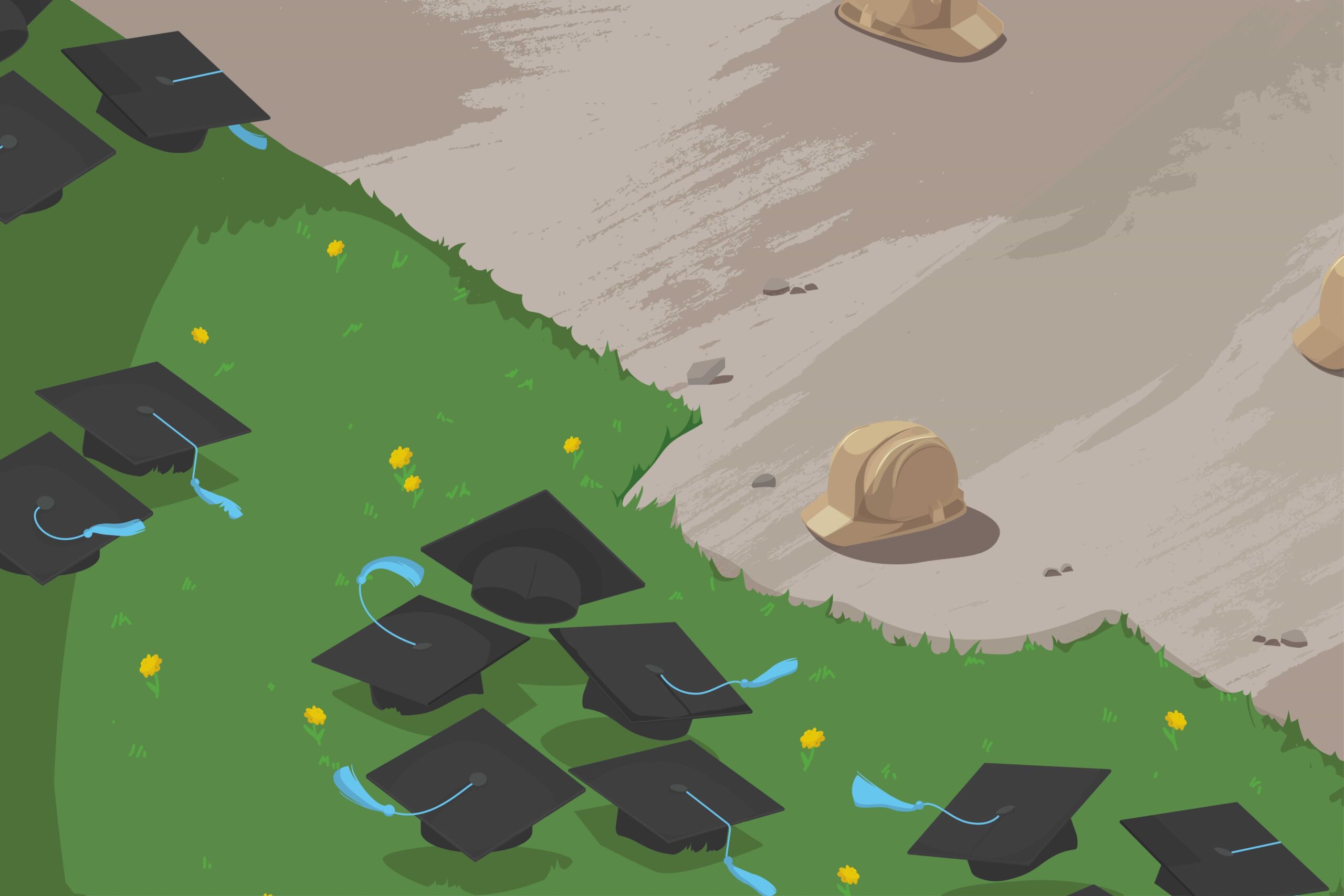
Two institutions that were formerly crucial sources of civic connectedness for less educated Americans, unions and churches, are now more likely to serve college graduates.
Daniel A. Cox • Disconnected: The Growing Class Divide in American Civic Life
This state of affairs has led Surgeon General Vivek Murthy to declare the United States is facing an “epidemic of loneliness and isolation.”
Daniel A. Cox • Disconnected: The Growing Class Divide in American Civic Life
the discrepancy in Americans’ use of public infrastructure may come down to access.