Babaylan, Bye Bye Lang : The National Colonial Amnesia
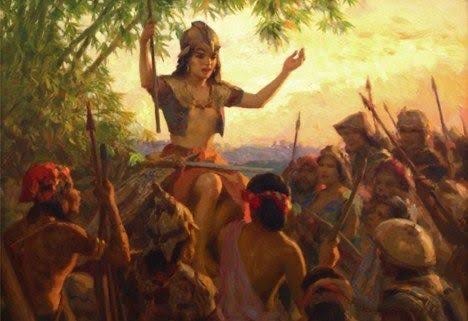
They channeled energy from nature, the stars, the trees, the spirits that moved through the wind and water. It was animistic, yes, but also intuitive and ancient. Babaylans used their gifts to heal sickness, protect the pregnant, and ward off disease.
Babaylan, Bye Bye Lang : The National Colonial Amnesia
They aren’t dead. Just silenced.
Babaylan, Bye Bye Lang : The National Colonial Amnesia
When the Spanish colonizers arrived, their Christianization project began by destroying the very foundation of our indigenous faith. They broke the Anitos. They silenced the chants. They erased every ritual that didn’t serve the cross. What was once sacred became feared. What was once power became persecution.
Colonizers didn’t understand that. In... See more
Babaylan, Bye Bye Lang : The National Colonial Amnesia
Language fluency is activism. This is not about reclaiming purity, but embracing pluralism and contradiction. We reject colonial amnesia through language learning, even informally.
Babaylan, Bye Bye Lang : The National Colonial Amnesia
Memory isn’t only academic. It shouldn’t be reduced to a school requirement or a shallow trend. It should be embodied, oral, and alive.
Babaylan, Bye Bye Lang : The National Colonial Amnesia
But neutrality is not always innocent.
Babaylan, Bye Bye Lang : The National Colonial Amnesia
Baybayin has been miscast and misunderstood. Reduced to an aesthetic, it now lives in currency designs or as an optional subject in some schools. It shows up when artists use it in branding or in viral graphics, but not often in deep academic discussions.
Babaylan, Bye Bye Lang : The National Colonial Amnesia
not just for performance but for practice. Performance is easy to spot. You know when someone is faking it, and you know when someone is sincere. When you truly know something by heart, you don’t need an audience.
Babaylan, Bye Bye Lang : The National Colonial Amnesia
The babaylan carried identity not just in words but in gesture, song, and ritual. These were embodied truths, not textbooks. Indigenous memory was, and still is, a full-body practice