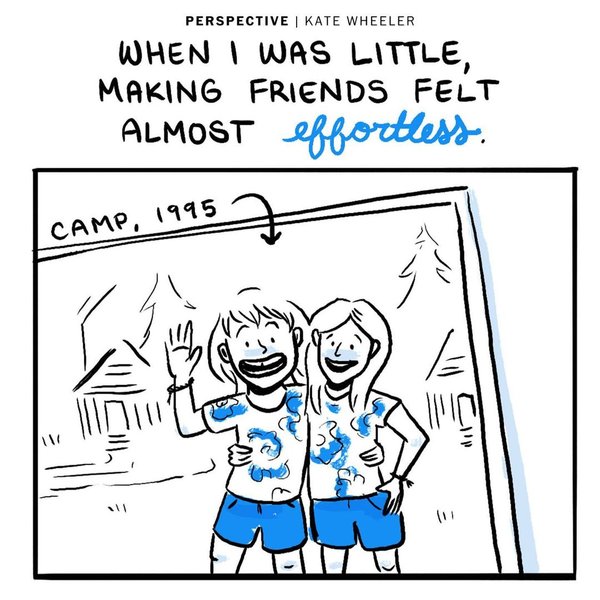
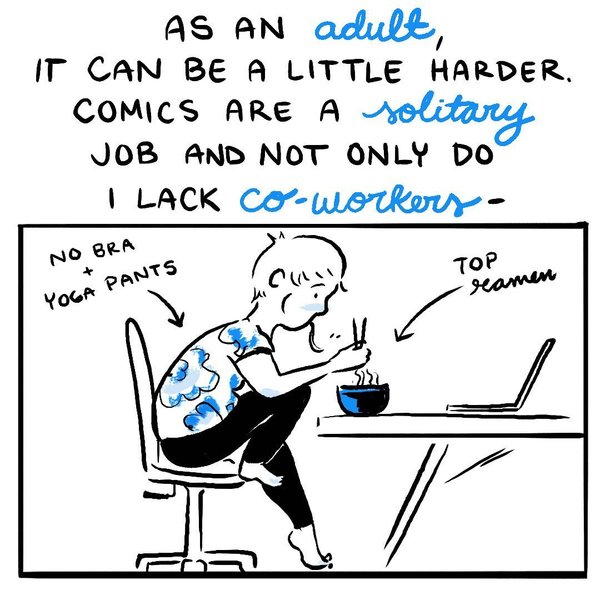
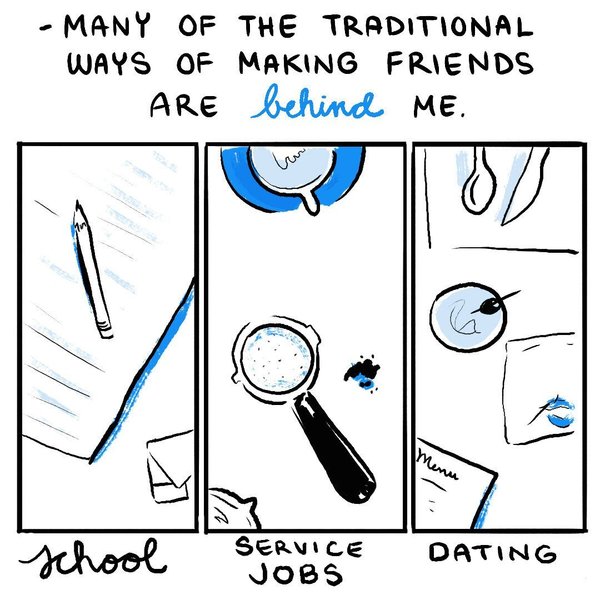
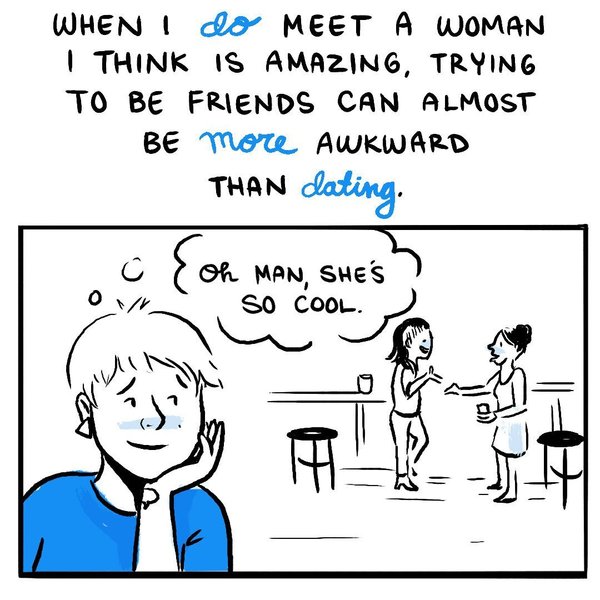
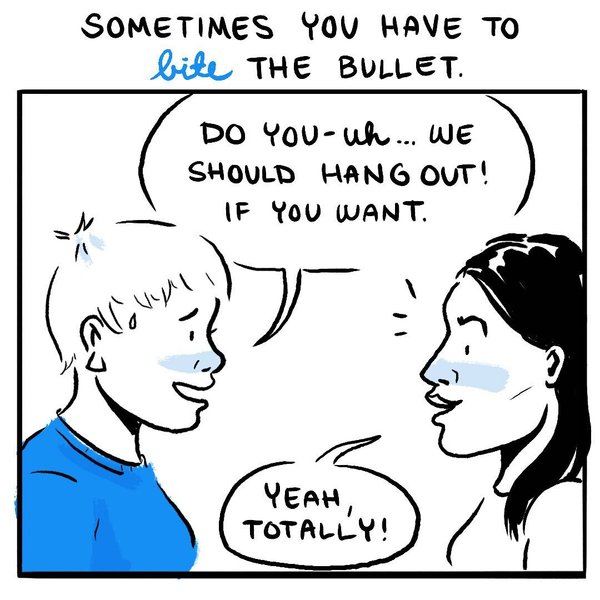
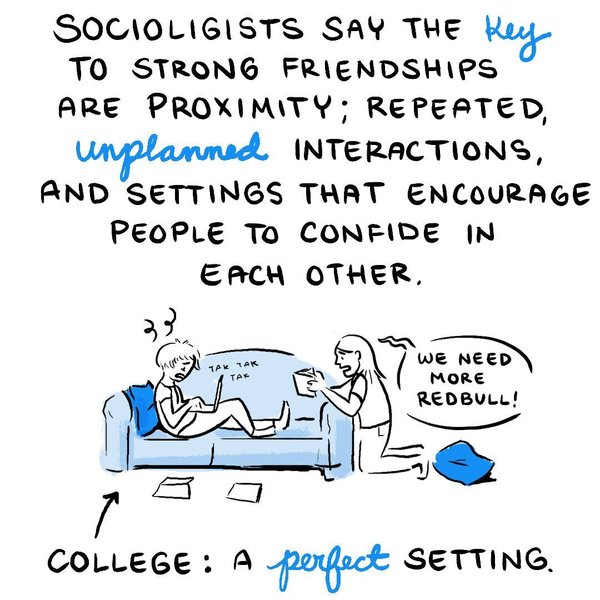
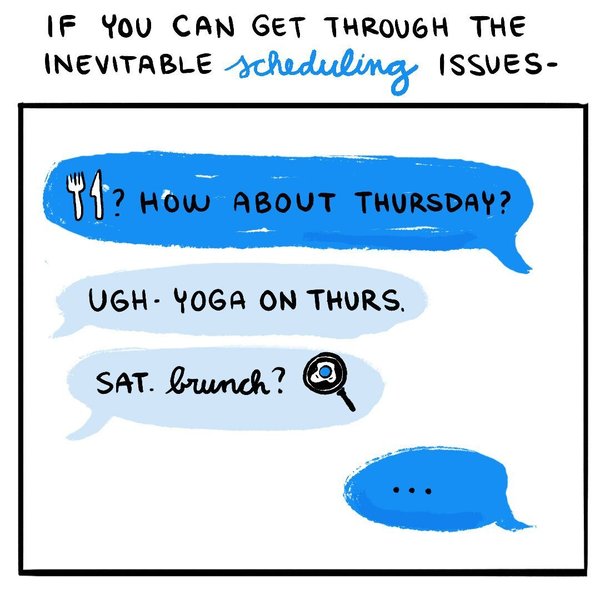
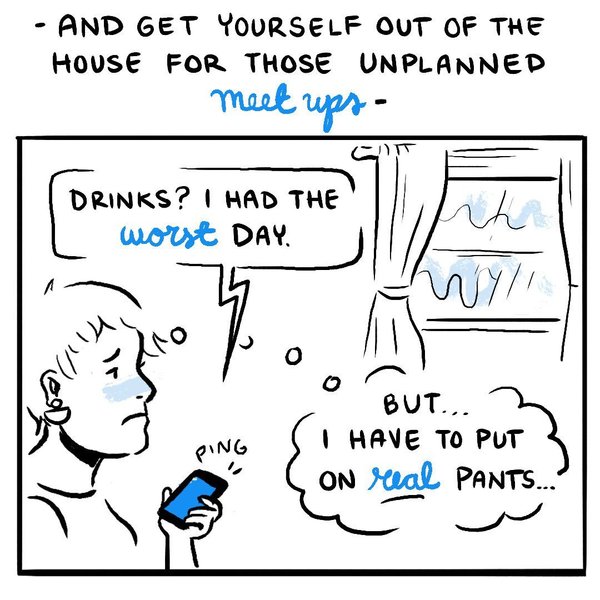
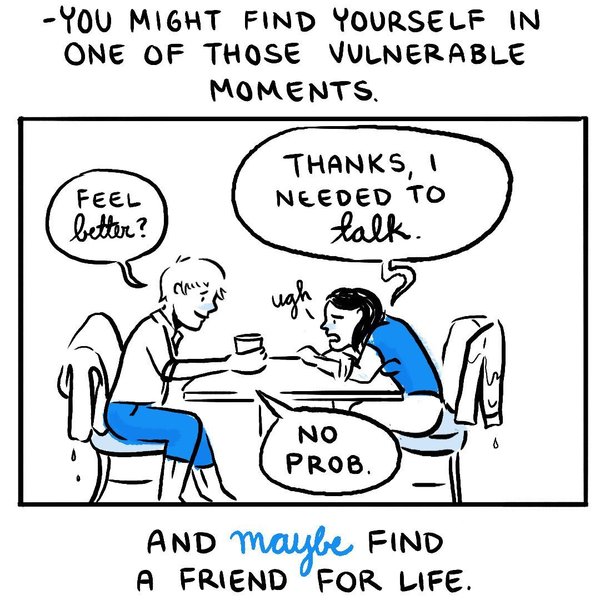
From The Lily comics archives: Why are adult friendships so hard to make (and keep)?
“It can be really difficult to find someone who vibes with you,” writes cartoonist @kagwheeler. Plus, she continues, “We may not have the same opportunities to make new friends that were available to us in school or at that terrible... See more
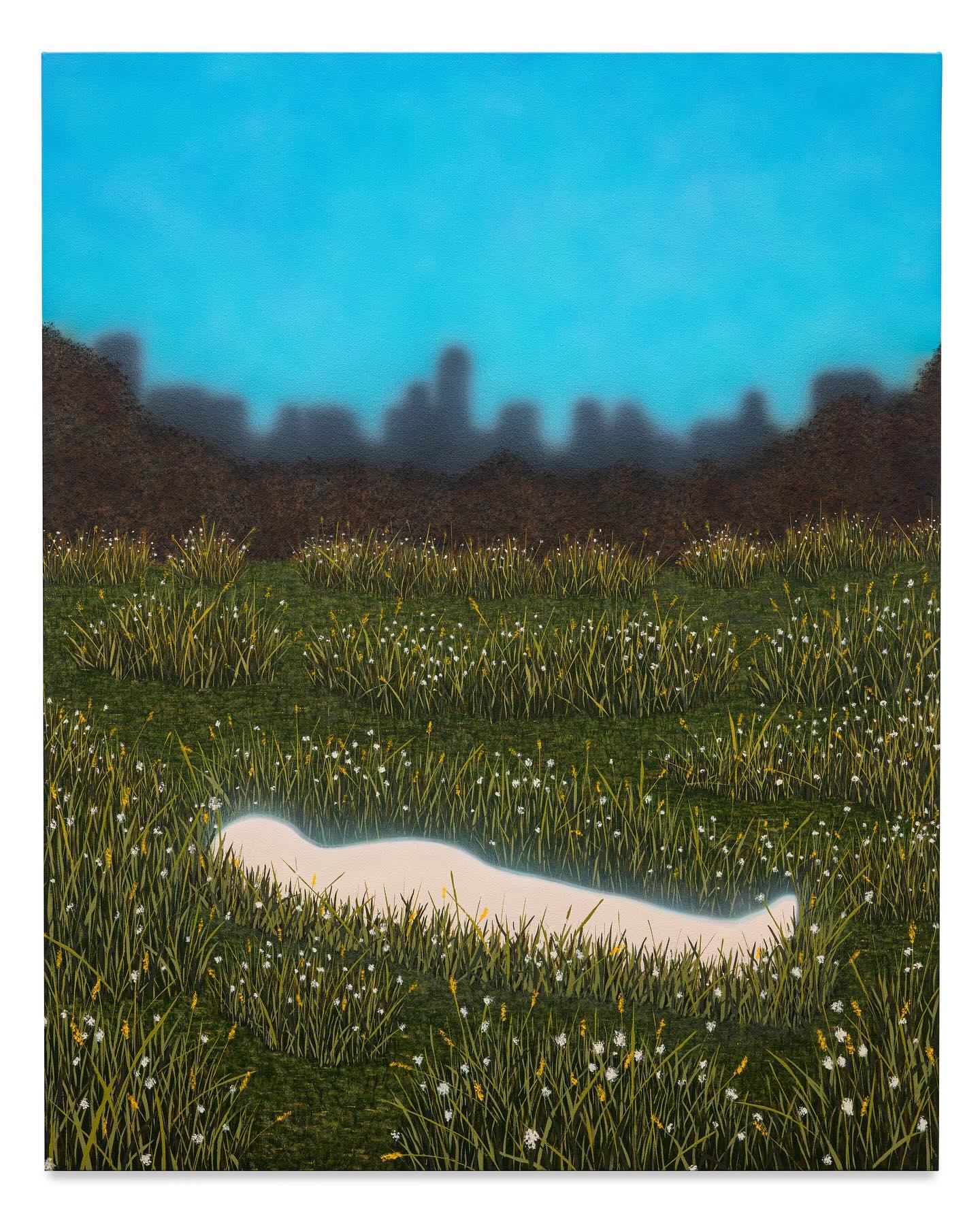
Everyone is born a creator. Consumption is the antithesis of creation. Passive consumption amounts to junk food for our brains and robs us of time that we could be spending actively creating and living fulfilling lives
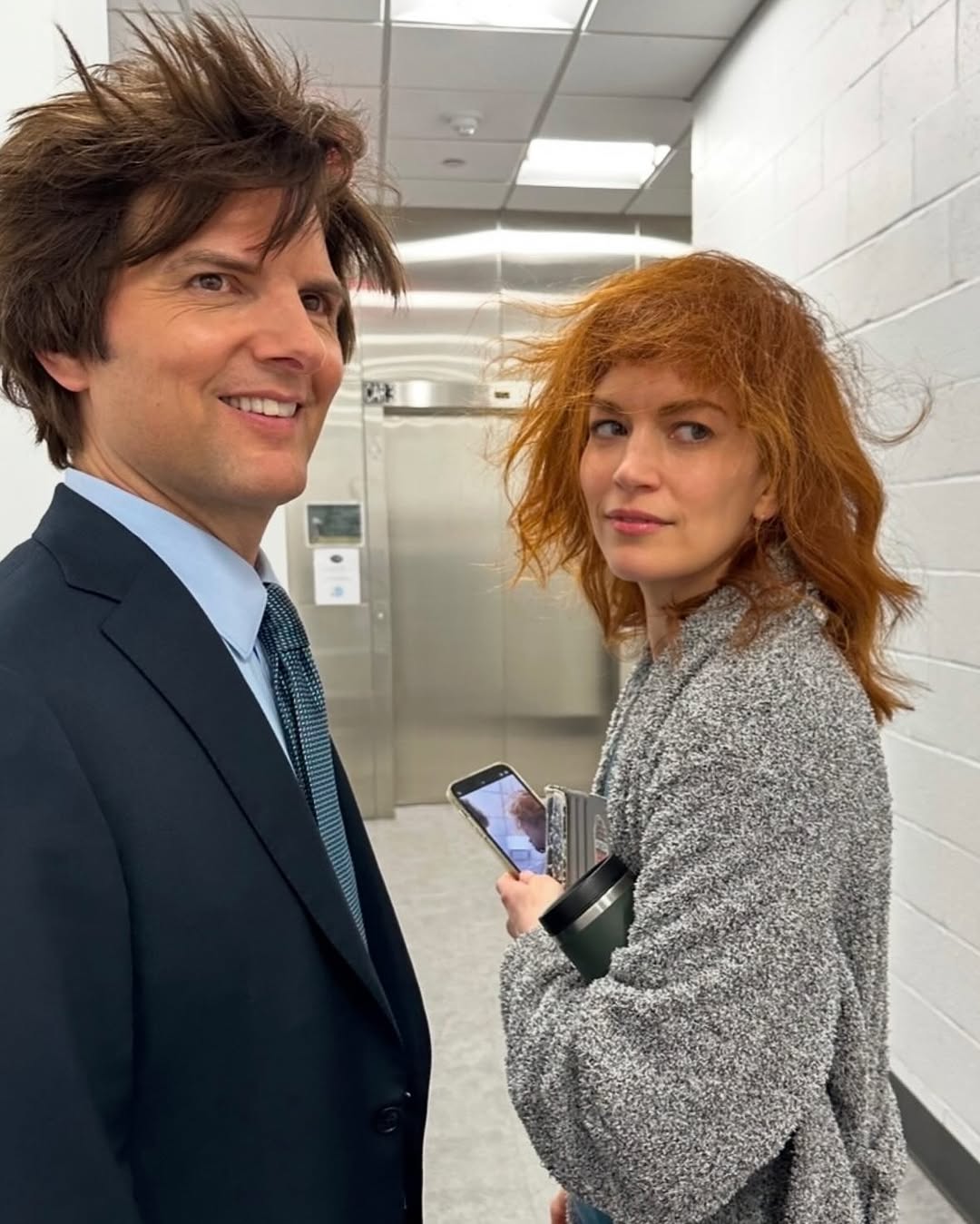
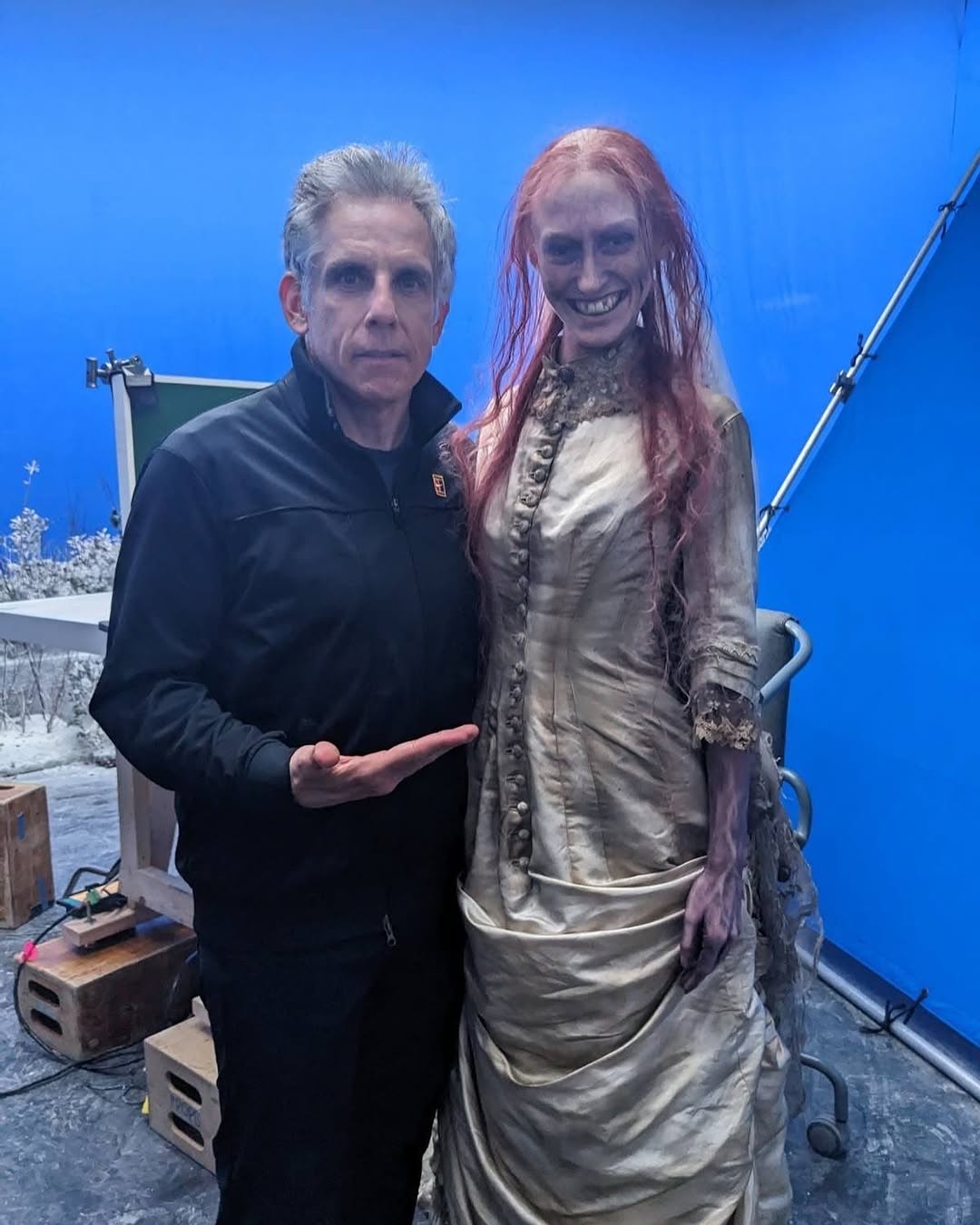
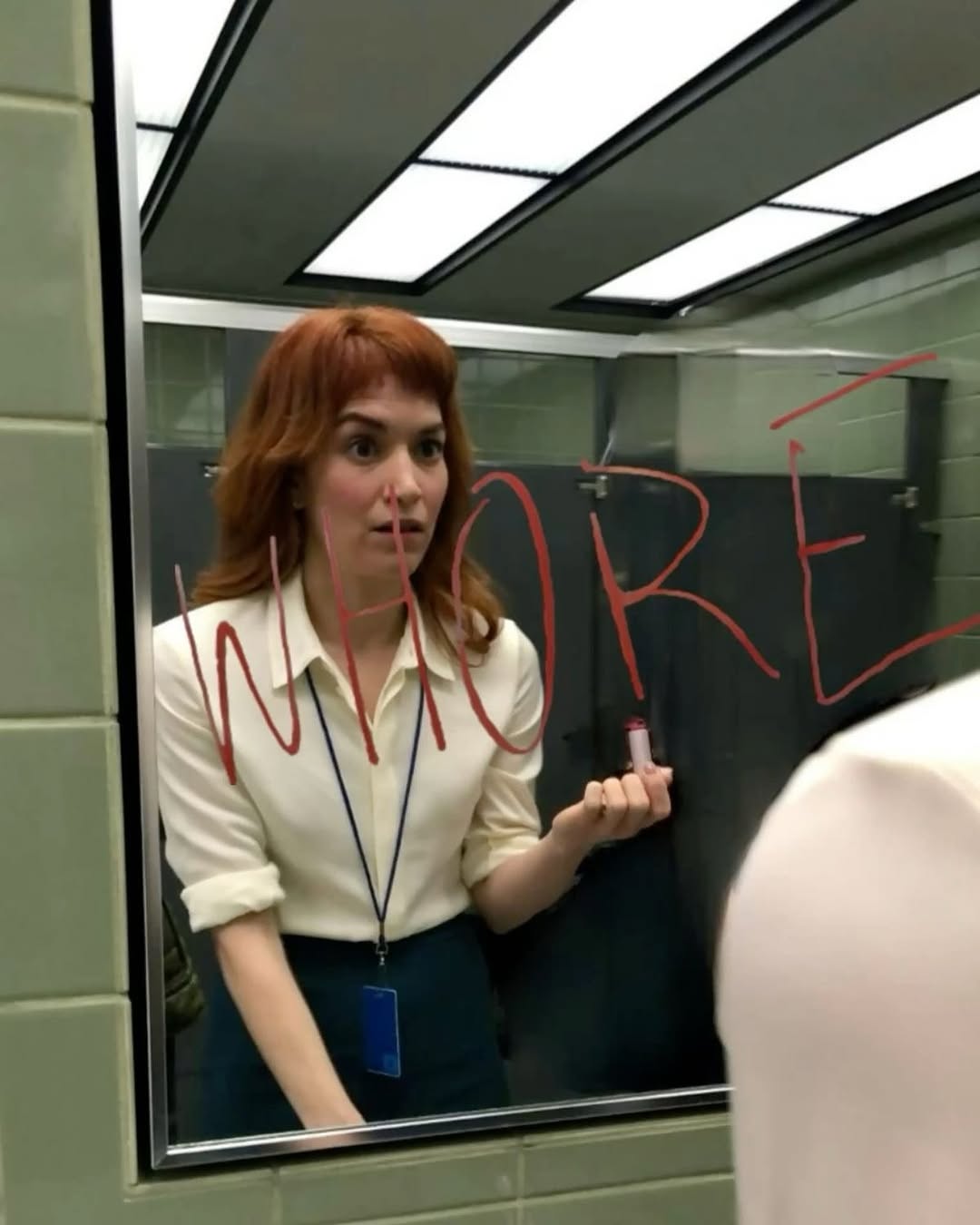
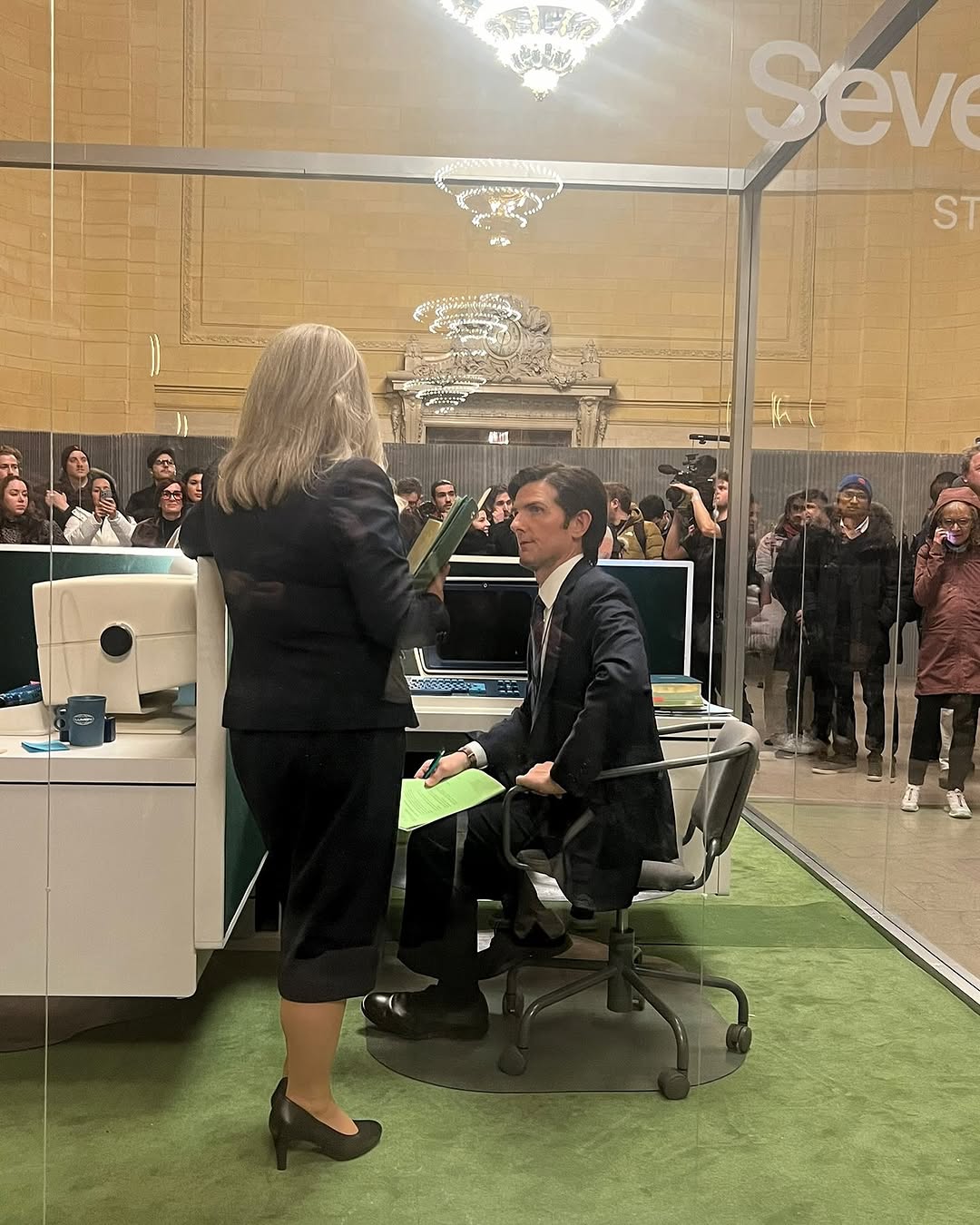
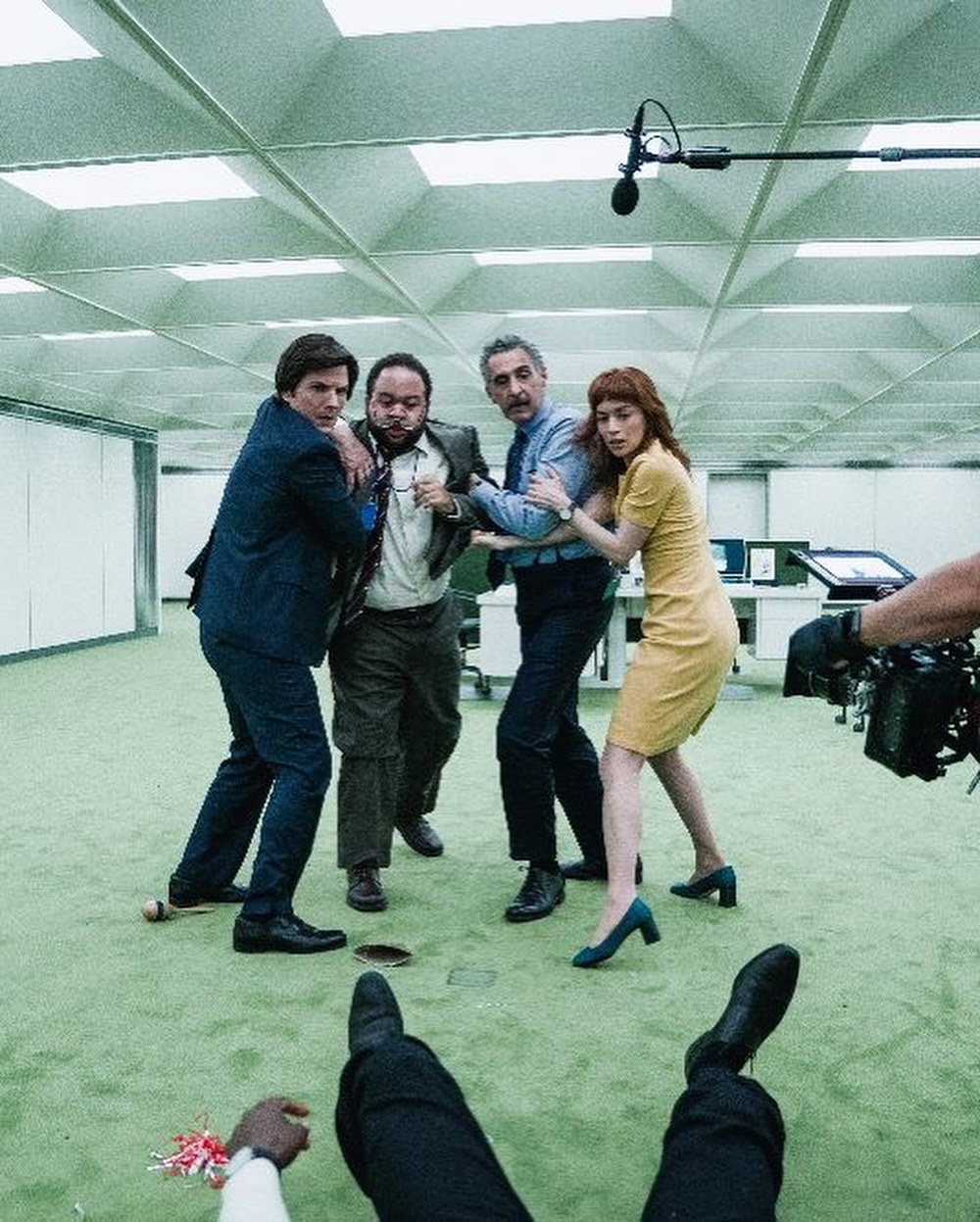
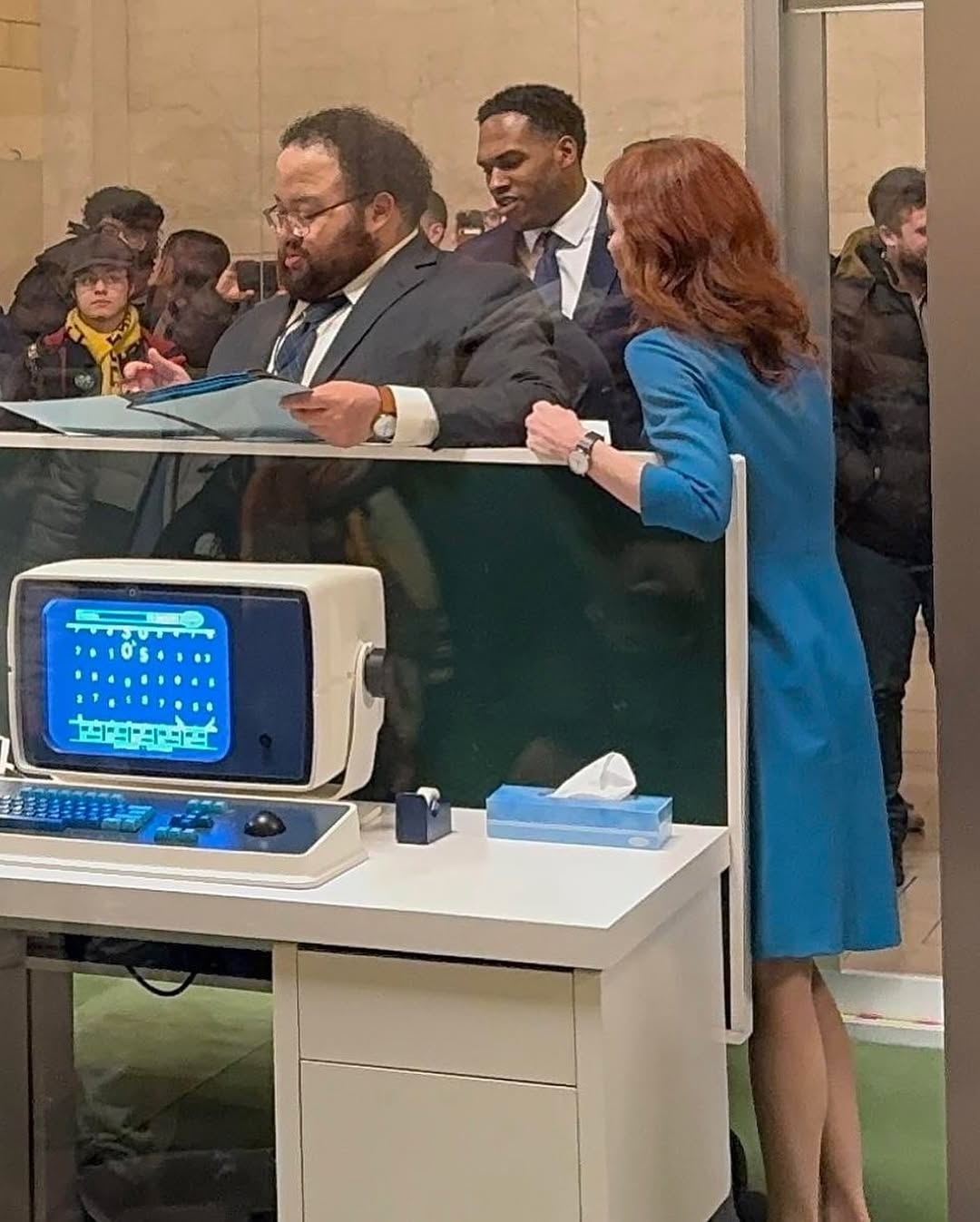
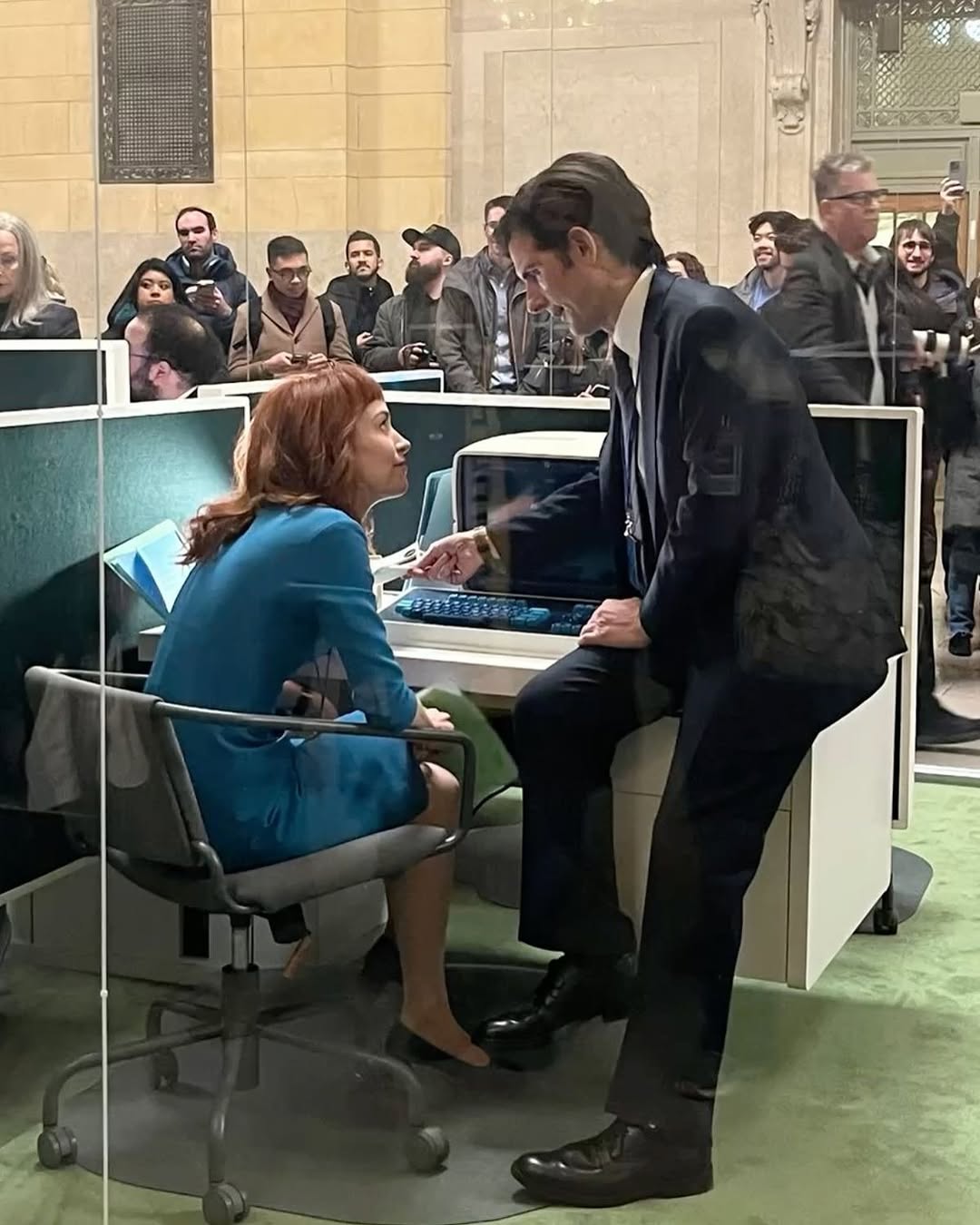
The cast of Severance wasn’t initially told what MDR’s work actually meant.
Even the actors playing Mark, Helly, Dylan, and Irving had no clear explanation of what their characters were doing with the numbers, allowing them to portray their confusion and frustration more... See more
"I understand there's a guy inside me who wants to lay in bed, smoke weed all day, and watch cartoons and old movies. My whole life is a series of stratagems to avoid, and outwit, that guy.”
— Anthony Bourdain